
Cats, dogs, and the question behind the question
Pet ownership and pet preference are not interchangeable. A U.S. survey shows why a familiar either/or deserves a closer look.
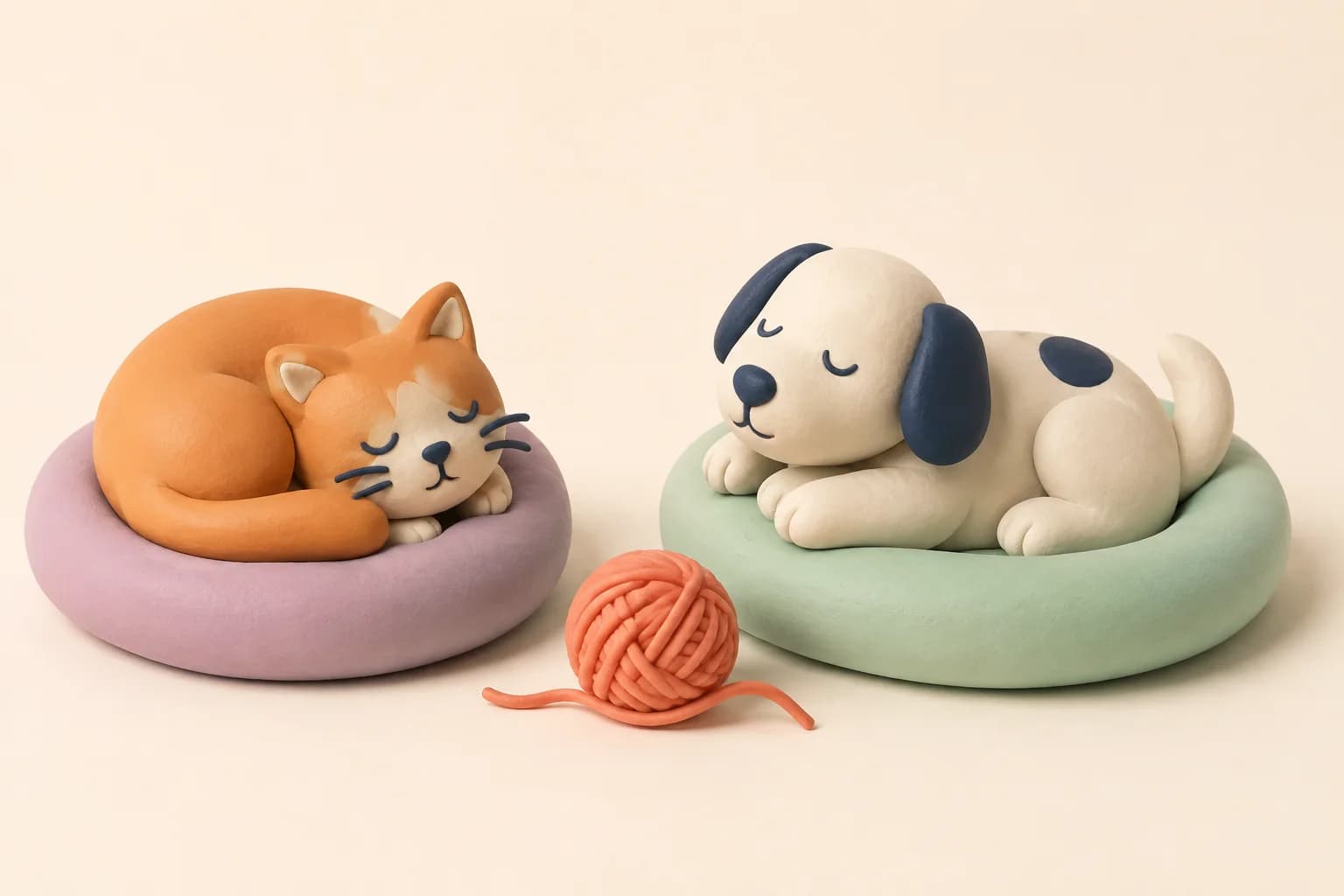
“Cats or dogs?” is easy to answer until someone asks what you mean. Which would you live with? Which makes you stop scrolling? Which animal already shares your sofa?
Those are three different questions, even if the answer buttons look identical.
A shared feeling behind a familiar rivalry
Pew Research Center surveyed 5,073 U.S. adults in April 2023, including 2,963 pet owners. Among pet owners, 97% said their pets were part of their family. The same report found that 24% of pet owners had both cats and dogs. This is a snapshot of U.S. pet owners, not a worldwide preference ranking. Read the survey and its methodology.
The overlap is a useful reminder: an either/or can be fun without dividing people into permanent camps. Someone can choose a cat on a screen while happily living with both.
Ownership is not the same as preference
A home’s rules, available space, daily routines and the other people living there may shape which animals someone can care for. None of those constraints is captured by a simple preference button.
So avoid turning ownership figures into claims about which animal is “more loved.” A survey about households can answer a household question. It cannot automatically answer a question about affection.
Try changing the setting
Ask a friend which animal they would choose for a fictional story. Then ask which animal they would spend an afternoon drawing. You may get the same answer, but now you have a conversation rather than a label.
On World Chooses, take the question as a playful invitation. A cat vote does not mean a dislike of dogs. And an unexpected answer is a good reason to ask a gentle follow-up, not a reason to diagnose someone’s personality.
Keep your curiosity going

Home or office? Two days made an interesting difference
A randomized workplace study gives the home-versus-office debate a more useful question: what happens when people can use both?
Different choices, better conversations
You do not need to agree to be curious. A few ways to turn a simple preference question into a thoughtful conversation.

A week of choices, without turning yourself into a label
Look back at seven days of small decisions with three useful questions. The aim is curiosity, not a verdict about who you are.